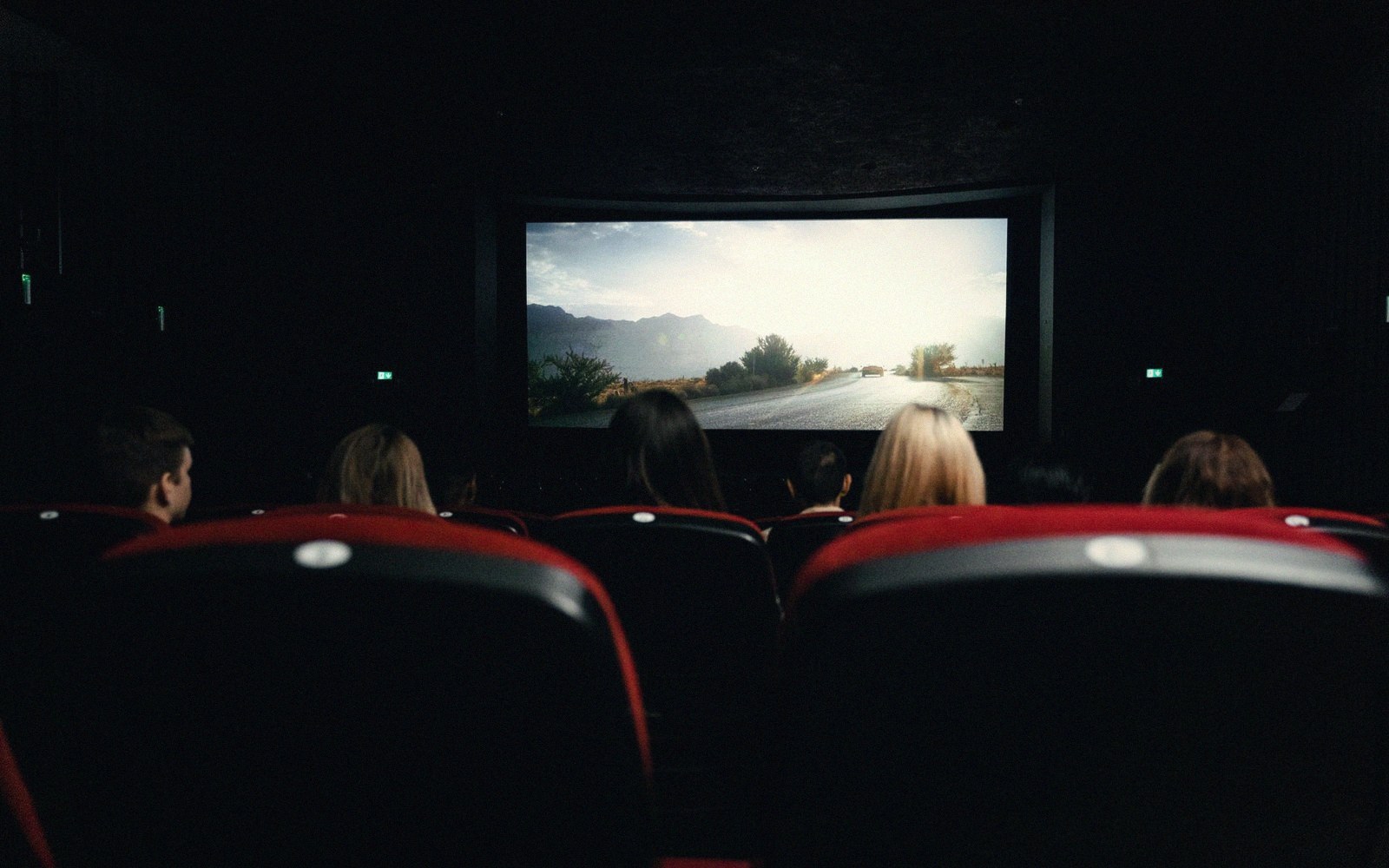
The room changes the film before the projector even starts.
Three Rooms, Three Films
Press screenings run early and quiet. Notebooks click open in the dark. The laughter, when it comes, is measured — not because critics are cold, but because everyone is working, assembling a response they'll later have to defend in print. Silence after the final frame tends to be long and analytical. Walk out feeling certain about a film in a press screening and you've probably earned it.
Industry screenings are stranger. The people around you are calculating something else entirely — rights, territories, release windows. Applause here is a market signal as much as a reflex. A film that plays softly in an industry room can still be a masterpiece; the room is just solving a different problem.
Public screenings are where the film breathes. An audience that paid, travelled, and chose this film over every other option in the programme brings a different quality of attention — less professional, more personal, and often more generous. The laughs come sooner and last longer. Grief lands harder. A film that seemed merely interesting in a press screening can feel genuinely urgent with five hundred strangers who came because they wanted to.
What each room sounds like
quiet, notebooks, measured laughter; long silence after final frame
strategic applause; room calculating rights and territories, not emotion
faster laughs, harder grief, genuinely generous attention
None of this is the film's fault or its vindication. It's social acoustics. The second screening of any film is a different event for related reasons — audience composition being one of the least discussed. Knowing which room you're in helps you trust or discount your own reaction. A cold press screening that still moved you is significant. A public screening that lifted you into euphoria deserves a second look before you decide what you actually think.
The film is the same. You are not.