The opening film is never chosen because it's the best film. It's a statement of intent — and it tells you almost everything you need to know.
The Opener Is a Self-Portrait
No programmer selects an opening film in isolation. The choice is a highly considered piece of communication addressed to three audiences at once: the press, the industry, and the paying public. Each of those audiences is reading the same title and drawing different conclusions, and the programmer knows it. A world premiere from a name director signals ambition and access. A beloved returning filmmaker signals continuity and confidence. A left-field choice signals that the festival is comfortable enough in its identity to dispense with crowd-pleasing optics. None of these is an accident.
The practical consequence for a festivalgoer is straightforward: if you can read the opener correctly, you have an early working theory of the whole programme before the rest of it is announced. The tone, the risk appetite, the implied audience — all of it is legible in a single title, if you know what to look for.
Programmer's logic — the three constraints
Must work in a large, mixed-audience venue
Must screen well without prior context or framing
a bad opener becomes a running story
What the Slot Actually Demands
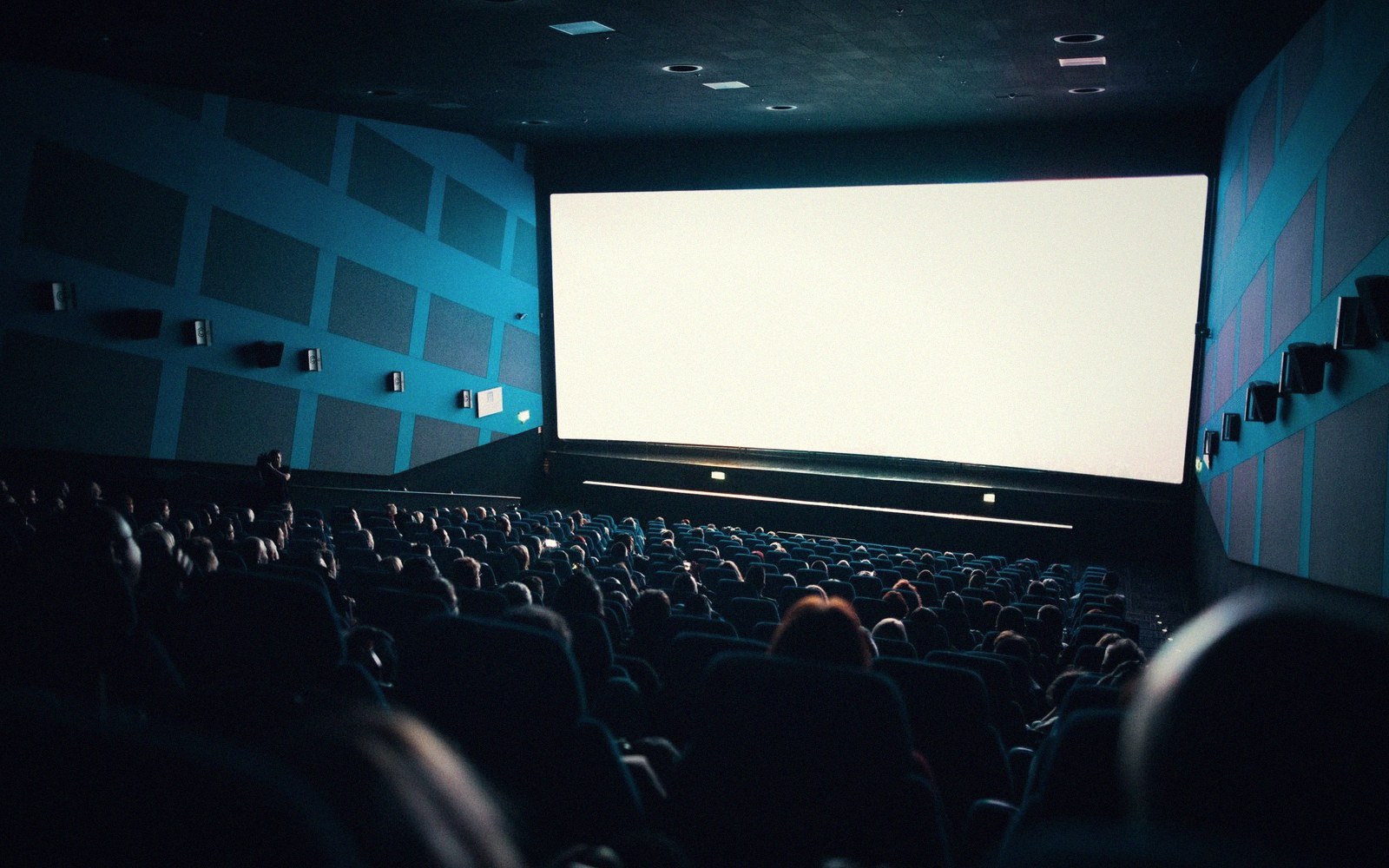
Understand what the opening night is structurally required to do, and the logic becomes clearer. The film must work in a large venue — often the festival's biggest — for an audience that ranges from committed cinephiles to civic dignitaries who attend once a year. It must screen well without context, because there has been no preceding conversation to prime the room. It must produce a usable quote for the press conference that follows. And it must not fail publicly, because a bad opening night is a story that chases a festival for the rest of its run.
These constraints sharpen the decision considerably. Very formally demanding work — the kind that rewards patient familiarity with a director's previous films — rarely survives them. Neither does anything genuinely confrontational, not because festivals lack nerve, but because confrontation at scale, on opening night, reads as miscalculation rather than courage. The opener tends, as a result, toward warmth: emotionally accessible, technically accomplished, sufficiently substantial to be taken seriously. That's not a criticism; it's a job description.
Reading the Signal
Once you accept that the opener is a positioning document, it becomes a useful lens. A festival that opens with a film from its own region or country is signalling local pride — or local pressure. A festival that opens with a documentary, which is rarer, is making a point about where the form sits in its hierarchy. One that opens with a debut feature is betting that access and discovery matter more to its identity than prestige; one that opens with a filmmaker who's been here before is leaning into loyalty and relationship. None of these gestures is neutral, and all of them carry forward into how to read a lineup before the full programme lands.
One useful exercise: look at the last five or six openers a festival has chosen and lay them next to each other. What they share — in geography, in scale, in genre, in career stage — is a more reliable portrait of the festival's self-image than anything in its official mission statement.
What This Means for Your Schedule
The practical upshot is that the opening film is rarely the one you should sacrifice most to see. Its value is diagnostic rather than cinematic. You watch it — or read about it — to calibrate what follows. You give it the weight it deserves as a piece of festival grammar, and then you get on with the actual programme.
The best festival-goers treat the opener the way a careful reader treats an epigraph: it sets the register, tells you something about the sensibility in charge, and then steps aside. The book is what comes after.