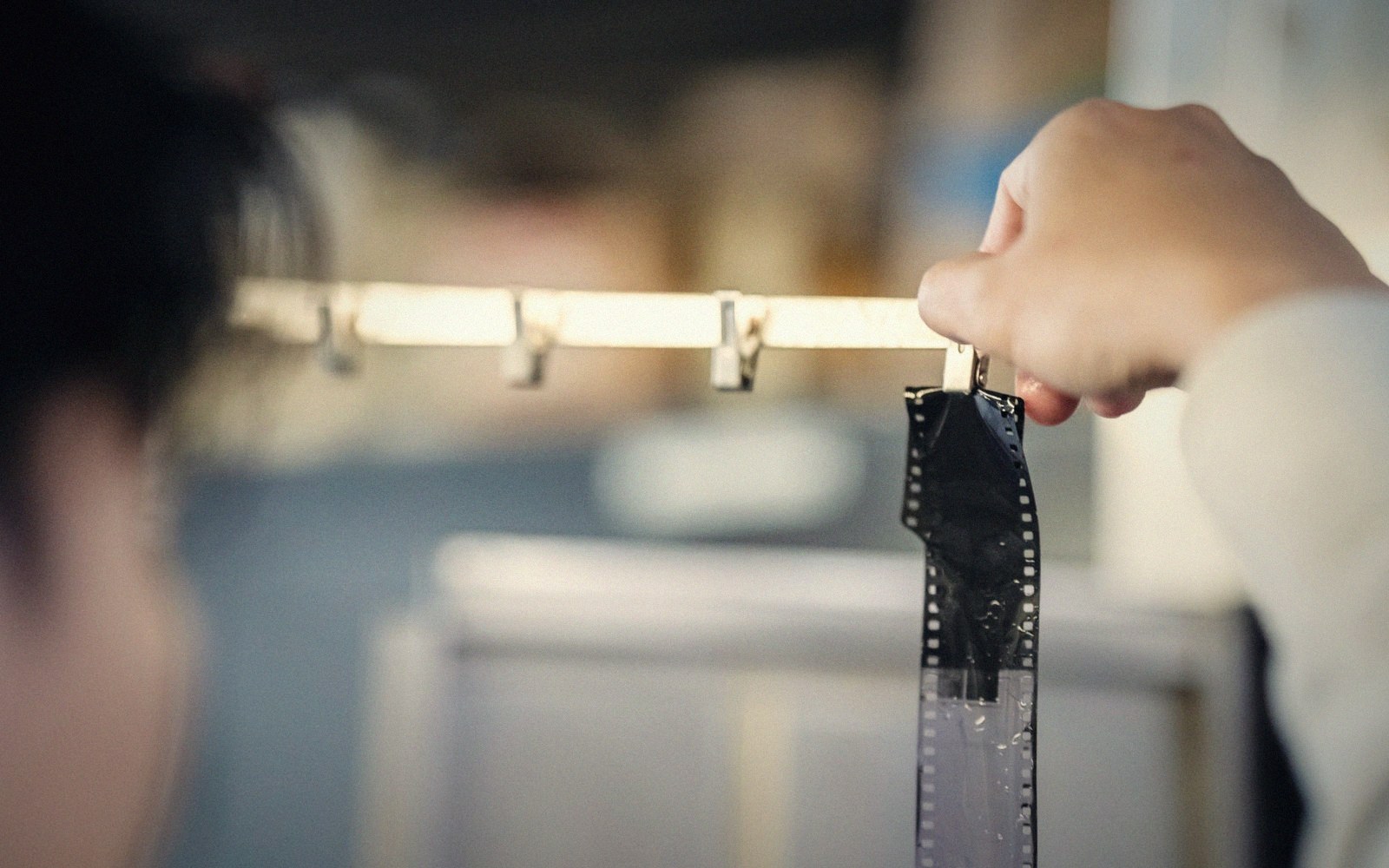
Celluloid keeps getting discussed as though it were a vintage wine. It isn't. Here is what it actually does.
The Physics, Without the Sentiment
The persistent problem with conversations about 35mm is the framing. Someone mentions grain, someone else mentions the smell of a projection booth, a third person says something about impermanence, and then everyone agrees that film is beautiful in a tone that closes the subject rather than opens it. The result is a discourse that treats celluloid as a heritage object — precious, fragile, faintly melancholic — when the real argument is photographic and perceptual, and considerably more interesting.
Start with how 35mm captures light. A film frame records a continuous chemical response to photons across an analogue substrate. There is no fixed pixel count capping the resolution at the point of exposure; the information density of a well-exposed 35mm negative is high enough that modern scanning technology is still finding detail in frames shot decades ago. When that frame is projected optically, the image on screen is a direct consequence of light passing through the actual grain structure of the emulsion. What you see is not a rendering of the image. It is the image.
Digital Cinema Package projection — DCP, the format that now dominates festival screens — works differently at every stage. A sensor array samples light at discrete points; the image is compressed, encoded, decoded and reconstructed at projection. None of these steps are catastrophic and the best contemporary DCP presentations are genuinely excellent. But they are a reproduction of a capture, and the perceptual qualities that follow from that distinction are real. The DCP image is stable in a way that 35mm is not, and stable here is not quite the compliment it sounds. The absolute pixel-level uniformity of a digital presentation produces an image that sits on the screen rather than living in it. Grain in 35mm is not noise to be corrected; it is the medium's texture, and that texture moves, breathes, and distributes attention across the frame in ways that pixel structure does not.
What the format difference actually is
continuous chemical response to light; no fixed pixel count
the texture of the emulsion, which moves and breathes in projection; not noise
Digital Cinema Package; a compressed, encoded image reconstructed at projection; stable but not continuous
light passing through the physical emulsion, not a rendering of a digital file
Why This Belongs in a Festival Conversation
None of the above is an argument against digital projection. It is an argument against confusing the two. Where it becomes specifically relevant to festival-going is in what a 35mm screening at a festival actually represents — not aesthetically, but as a programming decision.
A festival choosing to present a film in 35mm is making a claim about the correct text of that work. Terrence Malick shot Days of Heaven in 35mm; Nestor Almendros and Haskell Wexler's work on that film exists in the grain structure of the original emulsion. Projecting it from a DCP — however good the transfer — is a judgment that the difference does not matter. Projecting it from a struck print is a judgment that it does. Audiences are entitled to know which claim is being made, and programmers are responsible for making it consciously rather than by default.
The capacity question compounds this. A 35mm print is a physical object. It travels on reels, wears with each pass through a projector gate, and cannot be simultaneously present in six venues. Festival scheduling built around 35mm looks different from scheduling built around DCP — fewer repeat screenings, harder logistical constraints, higher cost per showing. When a festival commits to a significant 35mm programme, that commitment is legible in the shape of the schedule itself. It is a position, not a decoration.
There is also the question of what projection quality actually means in the 35mm context. A well-maintained print, correctly threaded by an experienced projectionist in a properly calibrated booth, is a controlled and repeatable experience — or close to it. A neglected print, run by an undertrained team on a poorly aligned gate, is something else entirely. The condition of archival prints is not a minor technical footnote; it is the difference between the argument for celluloid landing or falling apart in the auditorium. Festivals that programme 35mm without attending to projection quality are making the nostalgist's error from the opposite direction — using the format as a signal while neglecting the substance.
The useful habit, then, is to treat a 35mm screening at a festival as you would any other curatorial claim: ask what it is asserting, whether the conditions support that assertion, and whether the film in question actually requires it. Some films were shot on celluloid and are genuinely altered by digital presentation. Others transfer cleanly because the photographic qualities that matter were always about composition and light rather than grain. Learning to tell the difference — before you sit down, while you are watching — is what turns a format preference into a critical instrument.
Nostalgia is not an instrument. This is.
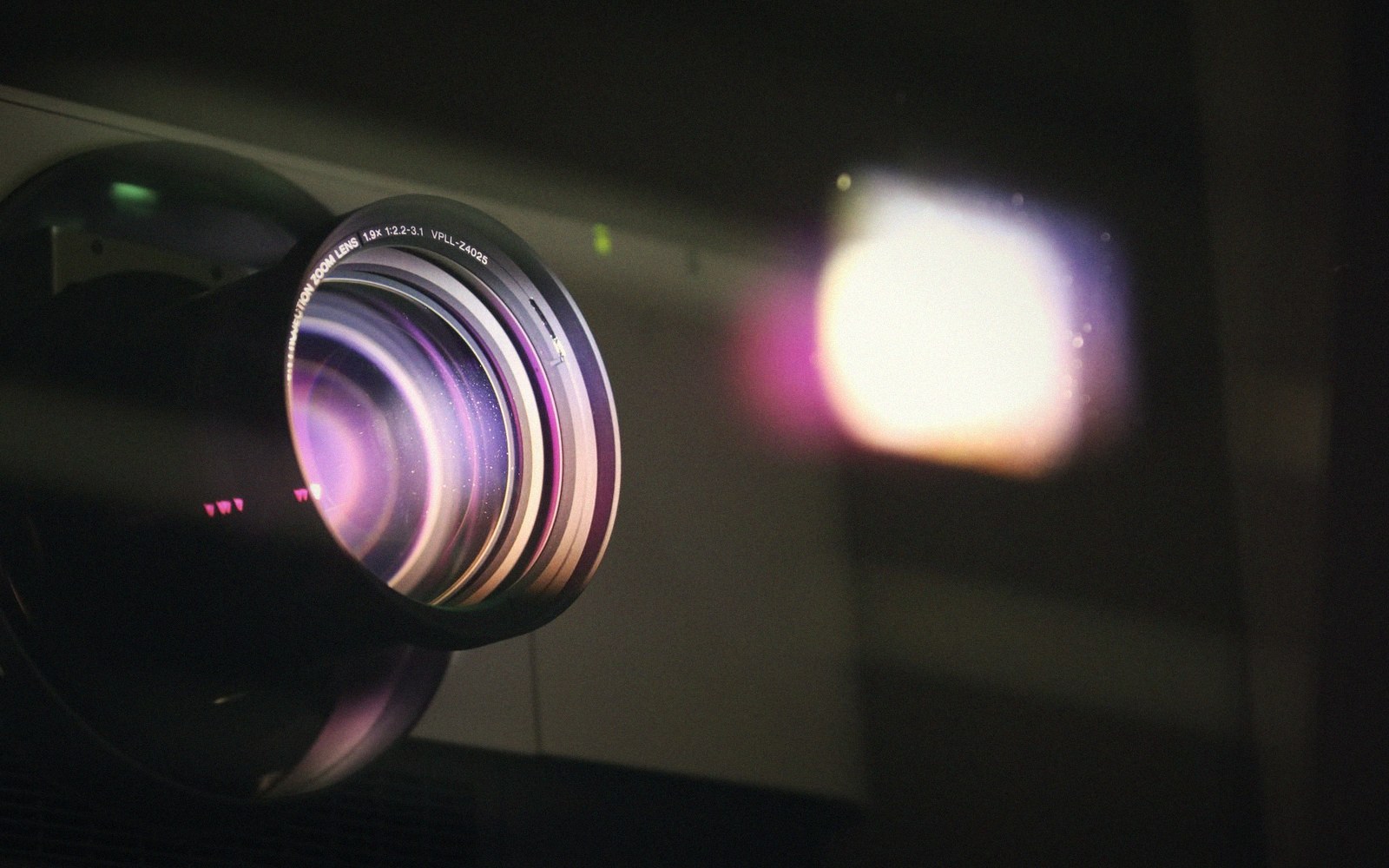
The programming stakes
not an aesthetic preference
Format scarcity shapes scheduling: prints are physical, cannot be multicast, wear with use
a poorly maintained print undercuts the entire case