When the print is damaged, incomplete, or both — what you are actually watching, and how to adjust
What a Damaged Print Is Telling You
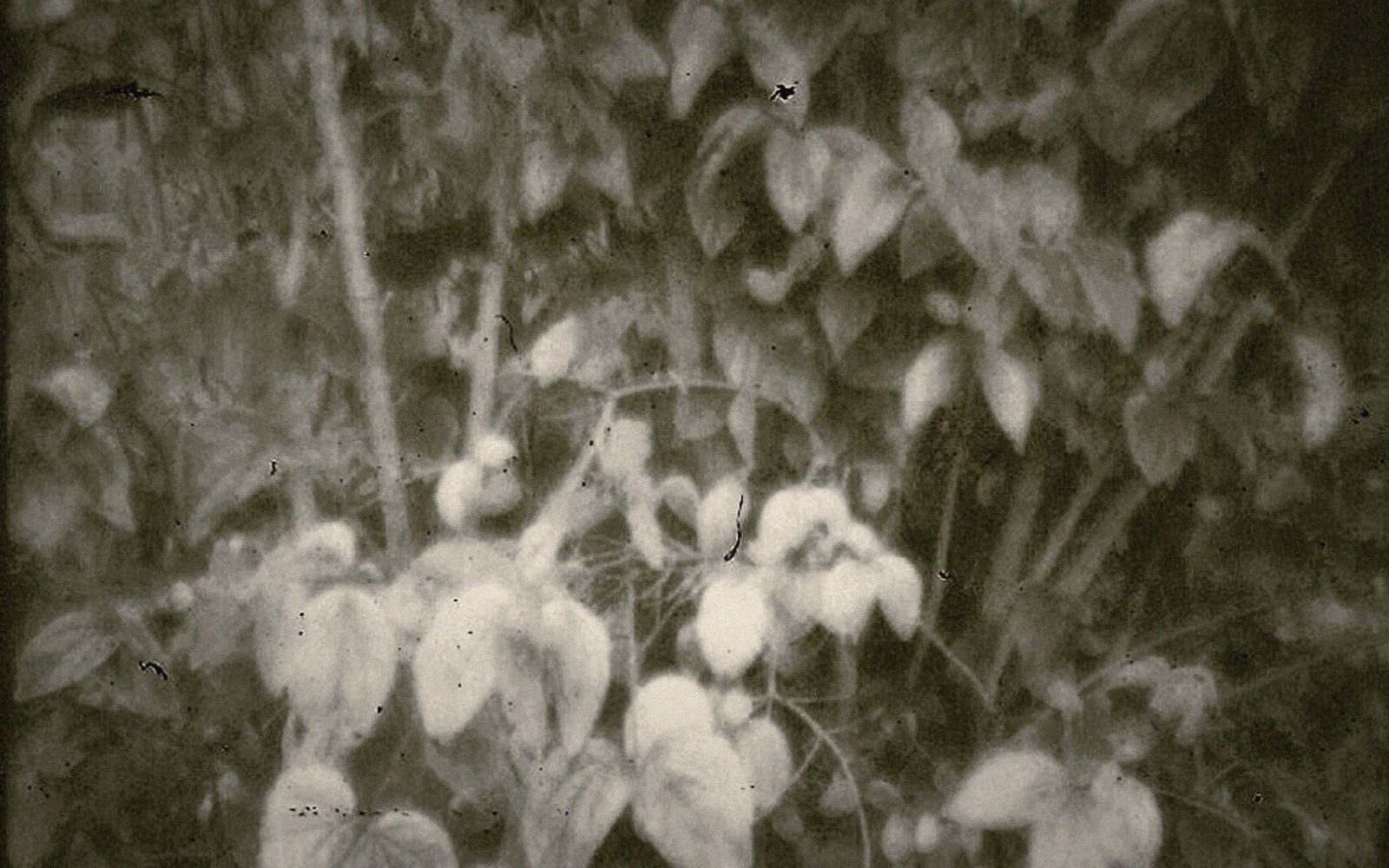
A scratch that pulses down the left edge of the frame is not a fault of the festival. A green flicker where the splice holds two mismatched generations of stock together is not the projectionist's error. When a repertory screening uses a surviving archival print, you are watching the material history of a film as much as the film itself — and the two things are worth separating in your head before the lights go down.
Prints degrade in specific, legible ways. Vinegar syndrome — the acetic acid off-gassing that signals cellulose acetate base breaking down — can warp the film plane enough to throw focus in and out across a single shot. Color dye layers fade at different rates, which is why some archival prints skew magenta or cyan rather than simply looking old. Nitrate prints, where they still exist and are still shown, carry their own instabilities; institutions like the George Eastman Museum or the Cinémathèque française handle them under strict conditions precisely because the base is chemically active. When a festival programmes a nitrate screening, the rarity is real, and so is the fragility.
Incompleteness is a different problem. Scholars estimate that more than half of all films made before 1950 no longer exist in any form. What survives is often a partial negative, a single export print, or a reconstruction assembled from multiple sources of varying quality. When a title card announces that a sequence is missing, or that a reel derives from a lower-resolution duplicate, that card is doing you a service — it is asking you to hold the film provisionally, to treat a gap as information rather than failure.
What the damage actually is
acetic acid breakdown that warps the film base and disrupts focus
color layers degrade at different rates, producing color casts (magenta, cyan) rather than simple desaturation
mismatched stock generations joined mid-reel, visible as density or color jumps
pre-safety stock that requires special handling; chemically active even in projection
The practical calibration is this: soften your pictorial expectations without softening your critical attention. A damaged print will sometimes make a film harder to read spatially, especially in fast-cut sequences or low-contrast night interiors. It will rarely stop you from understanding what a director was doing with time, space, and performance. The things that make a film interesting — the thinking inside it — survive most kinds of print damage. What is harder to judge fairly is pure cinematographic beauty, which is why a second screening from a restoration, if one exists, is worth seeking later.
The worst response to a struggling print is to rate the film against it. The best is to stay curious about what you can still see, and to treat the material evidence — the splice, the flicker, the missing minute — as part of what the screening is.