The format that runs almost every festival screen now is fine. That word is doing a lot of work.
What the shift actually changed
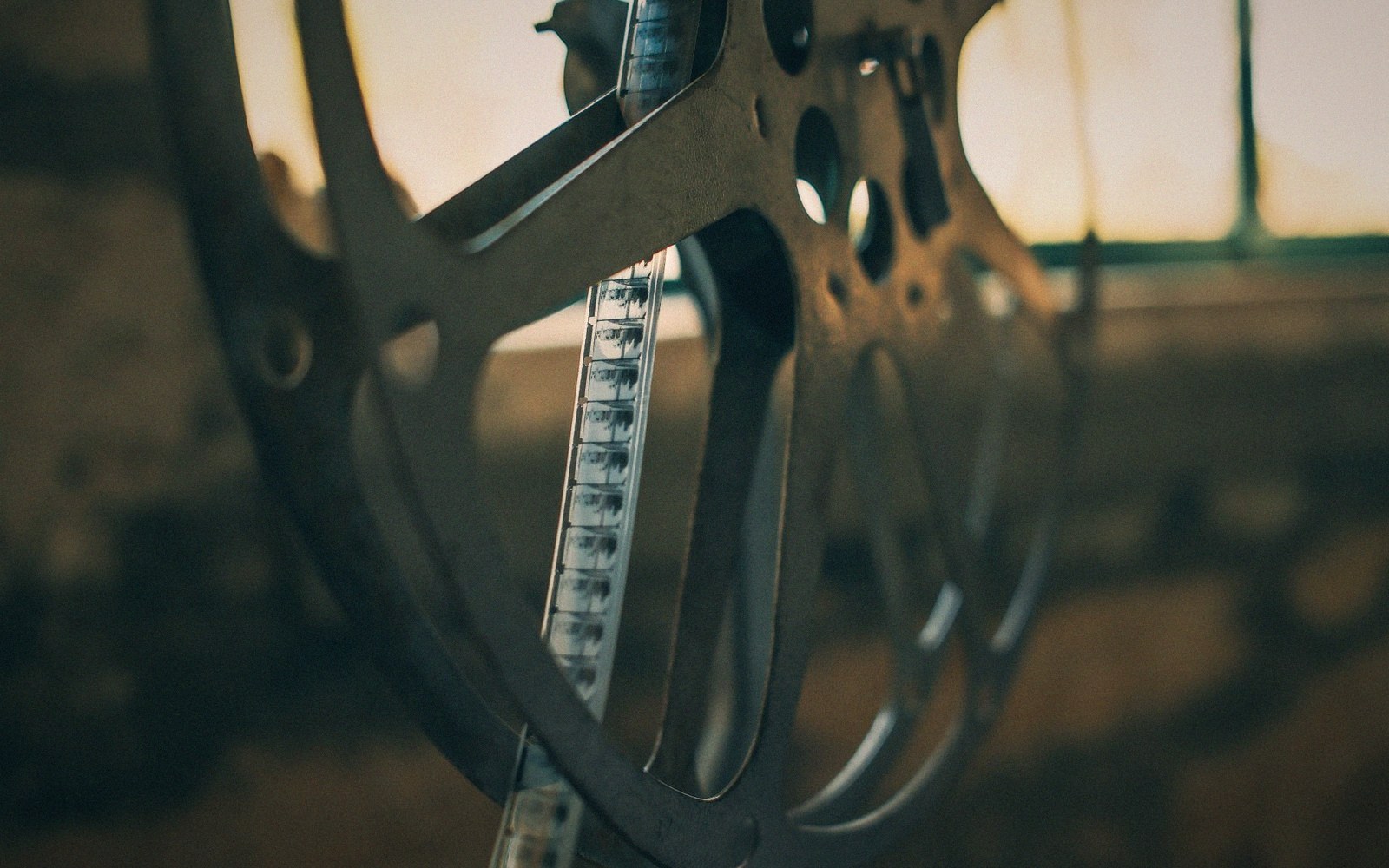
A Digital Cinema Package — the DCP, the hard drive or server file that has replaced the print in nearly every festival projection booth — delivers a sharp, consistent, colour-accurate image without the mechanical anxiety of celluloid. No splice marks, no gate weave, no lamp fluctuations. The fifteenth screening looks like the first. For a programmer running eight simultaneous screens across ten days, this is not a minor convenience; it is the difference between a manageable operation and a logistical nightmare. Digital projection probably saved the mid-tier festival infrastructure that now shows you films you would not otherwise see. That matters.
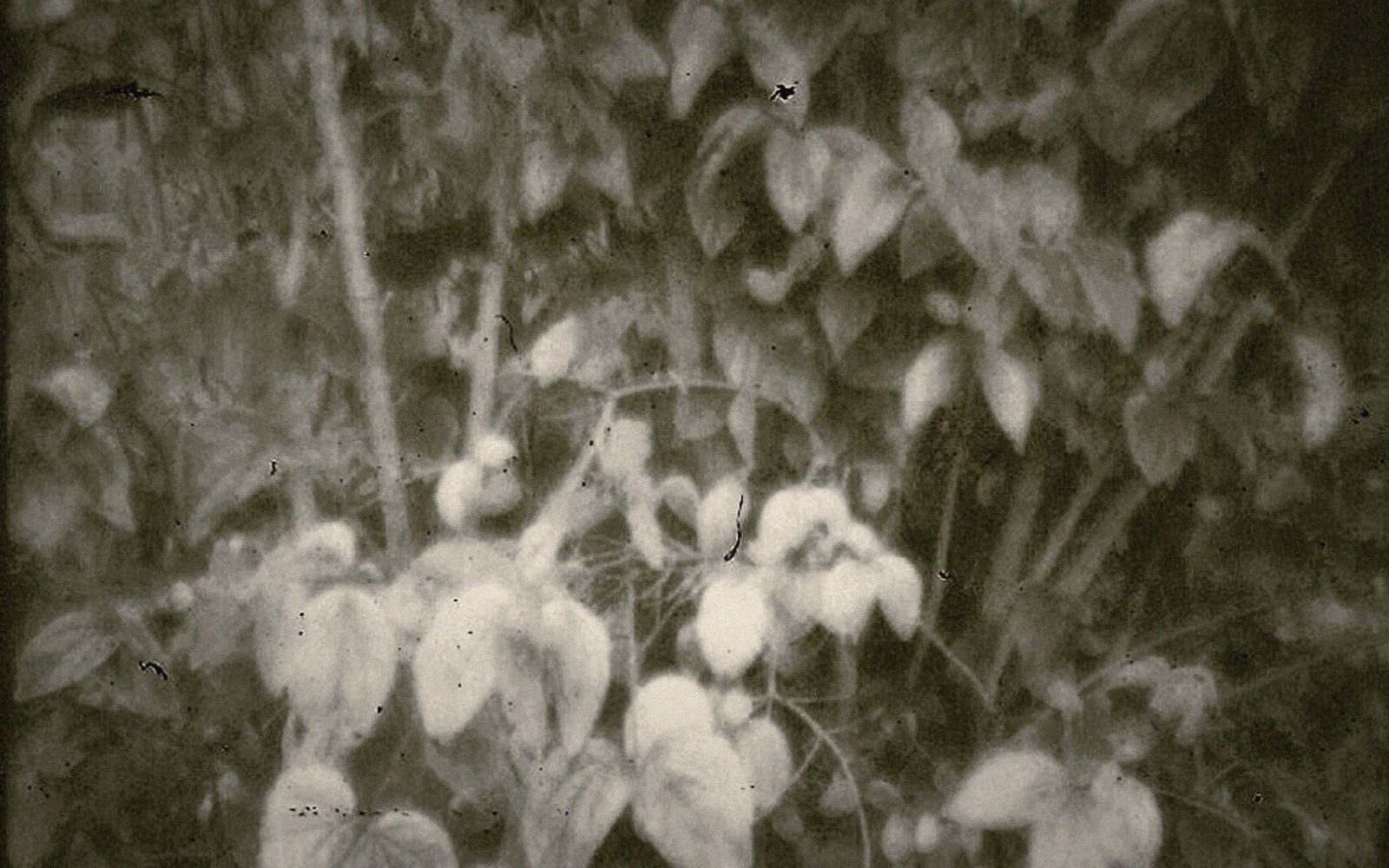
But consistency is not the same as quality, and sharp is not the same as alive. The comparison most people reach for is photography: a JPEG is sharp, a silver-gelatin print is present. The analogy is imprecise but it points somewhere real. What celluloid gave you — particularly 35mm projected at a competent level — was a material interaction with light, a slight instability in the image that your eye interpreted as texture, warmth, depth. Not grain as an aesthetic preference, though that too, but grain as evidence that light had physically struck something. A DCP is a file being decoded. The transaction is clean because nothing physical is happening on the way to the screen.
The colour difference is where most audiences would notice it first, if they knew what to look for. Digital cinema works to a calibrated standard — DCI-P3 is the colour space, technically wide, practically precise — and the result is colour that is accurate and resolved and somehow inert. Saturated reds are saturated. Shadow detail is there. But film stocks had personalities. Kodak Vision3 handled skin tones differently from Fuji Eterna. A director who chose a stock chose a collaborator. That choice is now largely cosmetic, achievable in a grade but not baked in at capture in the same way, and it is entirely absent by the time a DCP plays through a digital projector onto the screen.
The technical ground
the file format and delivery standard that replaced 35mm prints in professional exhibition; often a hard drive shipped to the venue or transferred to a local server
the colour gamut standard used in digital cinema projection; broader than standard HD but different in character from photochemical stocks
the horizontal resolution of a DCP; 2K is roughly 2,048 pixels, 4K roughly 4,096; both are in wide use at festivals
Where the trade-off actually sits
None of this means digital projection is bad. For subtitled foreign-language cinema — which is to say, for the majority of what a serious festival plays — the legibility advantage is real. Subtitles burned into a print degrade; subtitles on a DCP do not. Archival material is increasingly DCP-sourced from restorations rather than struck from surviving prints, which means a 2K or 4K scan of a 1960s negative can look better projected digitally than the faded original print would have looked in 1985. The Cinematheque Française, the BFI and Bologna's Cinema Ritrovato have built major restoration programmes around exactly this logic. For audiences seeing those films for the first time, the experience is not a compromise.
The honest version of the argument, then, is not that DCP is worse than 35mm across the board — it is that DCP is different in ways that are almost never named at the moment you are sitting in the dark. Festivals rarely identify the format in their programmes, which means you typically do not know whether you are watching a 2K DCP struck from a digital intermediate, a 4K scan of the original negative, or in rare and lucky cases, an actual photochemical print. The information is available if you know to look for the small-print, but it is not presented as a decision the audience should have a view on.
The practical consequence: when a festival does programme a 35mm print — of a new film shot and finished photochemically, or of an older film with a surviving print in decent condition — it is worth treating that as genuinely different from what surrounds it. Not better in every dimension, but different in the dimension that most directly concerns film as a material object rather than a file. Whether that distinction matters to you is a personal call. But it is a call worth making consciously rather than finding, somewhere around the fifth screening of the day, that you could not afterwards say what you were actually looking at.