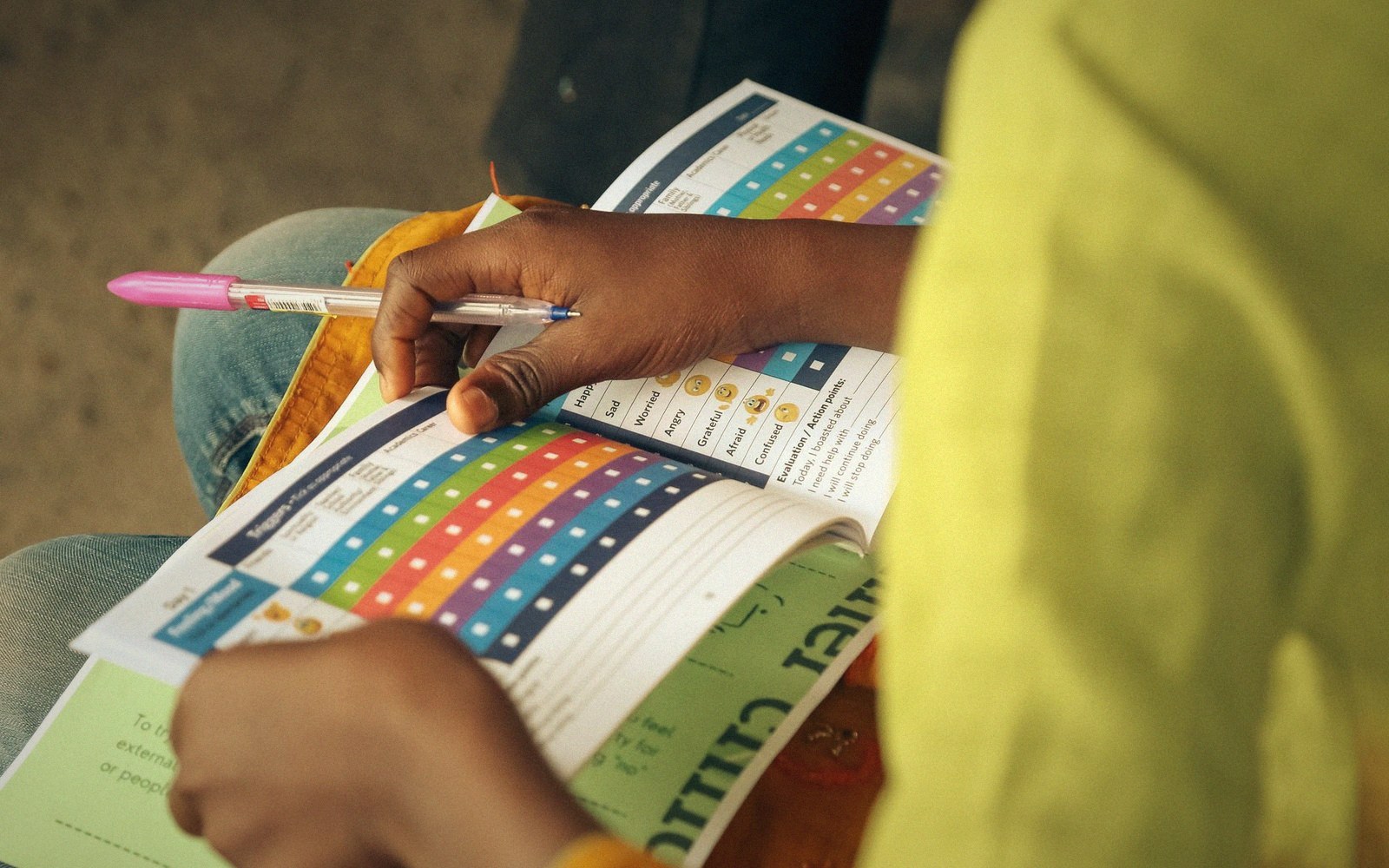
The gap between a published lineup and what you actually watch is where festival-going either works or doesn't.
Read the Lineup Before You Feel Anything About It
The first pass through a programme should be cold. Skim it once — country of origin, running time, section label — before you let the hype land. You want to register what's actually there before the ambient noise of must-sees starts rearranging your priorities. A film is not more important because Twitter has decided it is. A film is more important to you because of what you already care about — a director's earlier work, a subject you've been circling, a format you rarely get to see properly.
On the second pass, mark three categories: want badly, genuinely curious, feel I should. That third category is the dangerous one. The ought-to-sees are where otherwise intelligent people spend three days watching things they don't enjoy and come home wondering why they're tired. The obligation film — the one everyone will be talking about, the one you can't admit you skipped — has a way of crowding out the thing that would have actually meant something to you. How to read a lineup before you have any context is a skill in itself; what matters here is the next step: converting those marks into a workable sequence.
The three-pass method
country, runtime, section label, nothing else
mark as: want badly / genuinely curious / feel I should
identify two or three anchors and build gaps around them
Build Around Anchors, Not Grids
Pick two or three films you genuinely cannot miss. These are your anchors — the films whose screening times you accept as fixed, and around which everything else arranges itself. The mistake is trying to fill every slot before you know how you move through a day. A full day at a festival is rarely the six screenings your spreadsheet suggests. There is travel time, queue time, the ten minutes you need to sit somewhere quiet after something brutal, and the lunch you forgot to build in.
Between anchors, leave genuine gaps. Not gaps you secretly fill with second-tier screenings you feel vaguely obliged to attend — actual unscheduled time. This is not wasted. It is the space in which you catch the word-of-mouth film you wouldn't have chosen cold, or decide on the walk over that you'd rather see the 90-minute documentary than the three-hour competition entry that's been exhausting critics all week. Overscheduled days are how festivals stop being an experience and start being a job you're doing badly.
Running time matters more than people admit. Two films over two and a half hours on consecutive slots is a different ask than two films under ninety minutes. Pay attention to where you've placed the long ones — not to avoid them, but to be honest about what comes after. Something punishing followed by something light is a rhythm that works. Something punishing followed by something equally punishing is a choice, not an accident, and it should be a conscious one.
The Open Afternoon
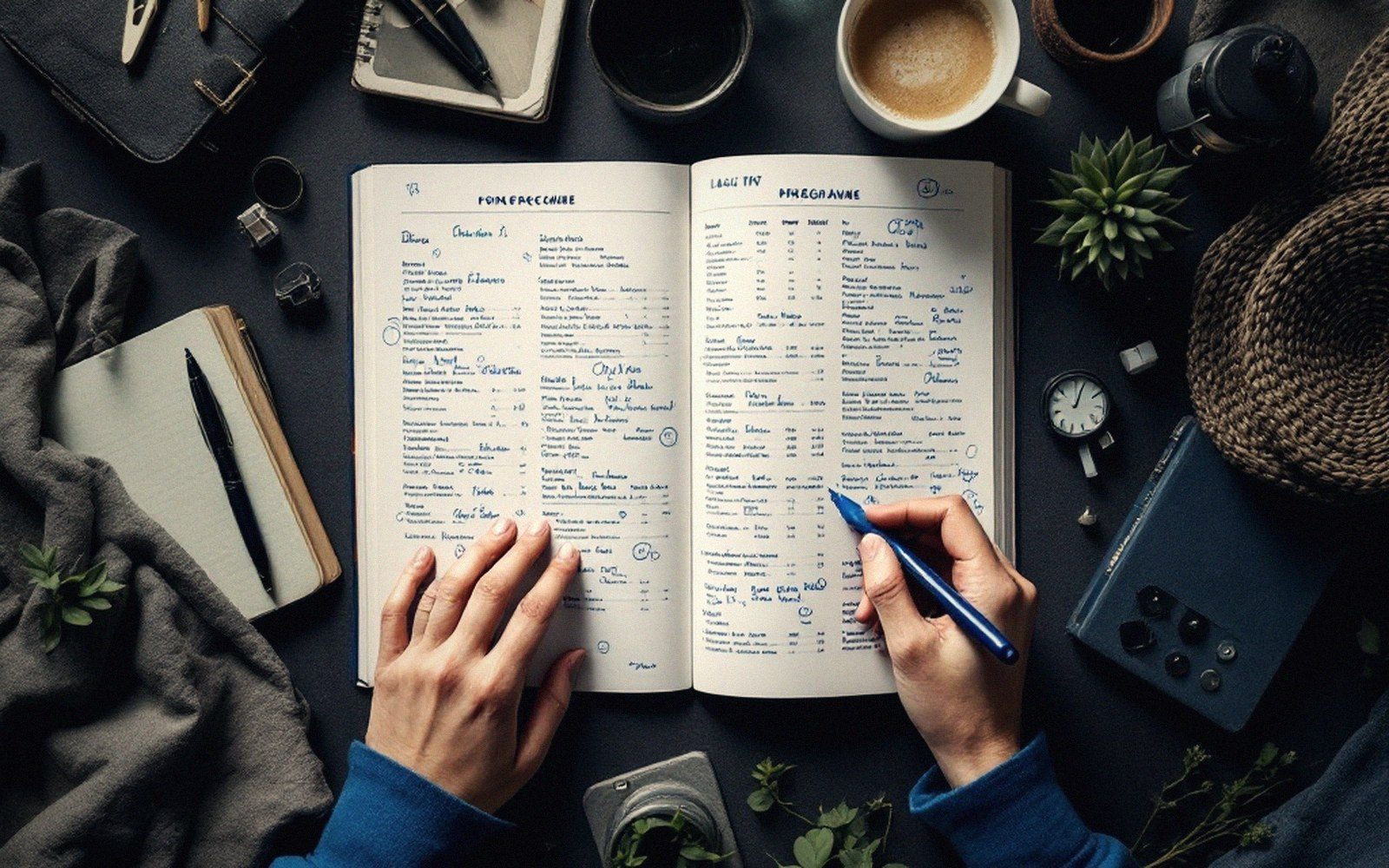
One afternoon — or morning, or evening — should stay genuinely unplanned. This is the session you fill based on how you feel at the time, what you've overheard, what turned out to be sold out and what had a spare seat. The three-day problem is partly a stamina problem, but it is also a flexibility problem: the people who come away with the most unexpected finds are rarely the ones with colour-coded schedules. They are the ones who left a pocket of time and were willing to use it on something they can't quite justify in advance.
There is a companion question about how much of your plan to hold firm when everything clashes — when the film you've waited for sits directly against the director whose work you know better and trust more. That is a genuine decision with no clean answer, but it is much easier to make in the moment if you haven't already crammed every surrounding slot and exhausted your options.
The Programme Is a Draft
Whatever you build before you arrive should be understood as a draft, not a commitment. A good personal programme has structure — the anchors, the realistic gaps, the rough rhythm of heavy and light — but it does not have the rigidity of a timetable. Festivals reward the person who knows what they want and can still change their mind.
The published lineup is the raw material. What you actually watch is the result of who you are, what you can physically sustain, and what you're willing to let go of. Getting those three things into reasonable alignment is the craft. Most people never quite manage it, which is fine — the attempt is half of what makes it interesting.