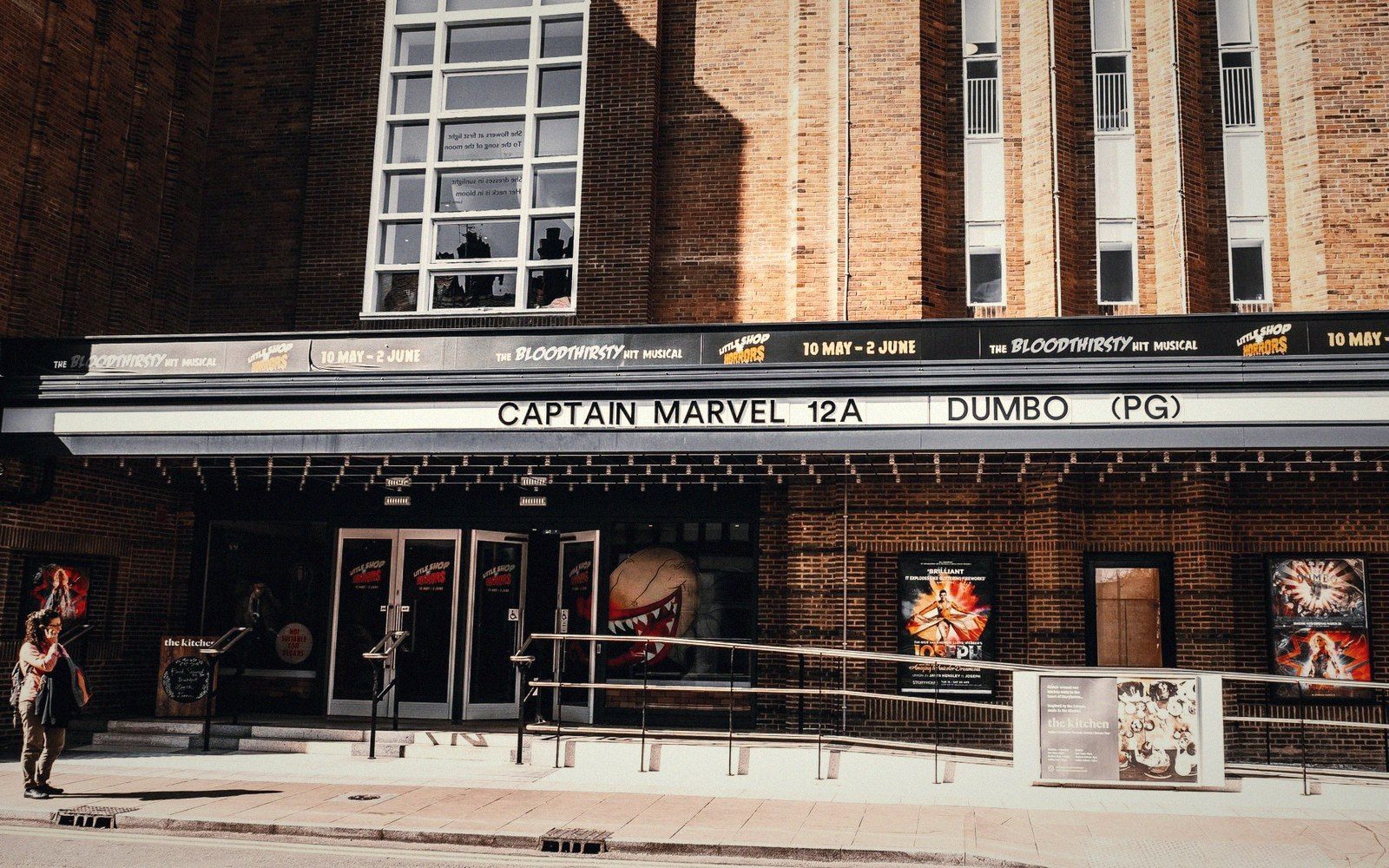
The queue feels like preparation. It is mostly just waiting.
The Real Arithmetic of the Queue
Forty minutes in a queue is not forty minutes. It is forty minutes of standing, plus the decision not to use those forty minutes for a walk, a meal, a conversation about the last film you saw, or the screening two blocks away that you'd vaguely noted and promptly forgot. The opportunity cost is invisible because it never shows up as a loss — only as a slightly heavier feeling around four in the afternoon when you realise you haven't eaten since before the one that wasn't even that good.
The commitment problem compounds this. Once you're in a queue, you've made an implicit bet on the film. Leaving it means admitting the bet was wrong, and most people would rather stand another twenty minutes than accept that. This is sunk-cost logic, and festivals run on it. The queue becomes its own justification. You queued; therefore it mattered; therefore it was worth it; therefore, finally, you are not sure it was worth it but you will tell people it was.
There is also the social dimension, which is real but not always what it seems. Queues at larger festivals do generate genuine conversation — strangers with overlapping taste, programmers you'd never approach in a foyer. But this is the exception. Mostly a queue is a corridor of people looking at their phones, occasionally sighing, occasionally checking whether the door has opened. The community is hypothetical. The foyer conversation — the ten minutes after a screening, charged with shared experience — is worth more than an hour of pre-film standing.
When queuing pays off — and when it doesn't
worth it
worth it
not worth it
probably not worth it
the invisible cost most people never log
When It Is Worth It Anyway
A queue earns its time cost under a narrow set of conditions. The film is a genuine premiere, and the particular configuration of cast or crew present will not repeat. The venue is small enough that late entry means no entry — not a bad seat but a closed door. And you have genuinely, after reasonable reflection, nothing else you'd rather be doing with that slot.
What it is not worth: any film that will screen again at the same festival. Any film that will reach another festival within months. Any film whose queue length reflects hype more than rarity — and you can usually tell the difference if you ask yourself honestly who told you to care about it and why.
The working rule is simple and uncomfortable: if building your programme was careful, the queue-dependent film probably wasn't in it. If it was, you already have a seat. A queue, most of the time, is evidence of a plan that needed more work.