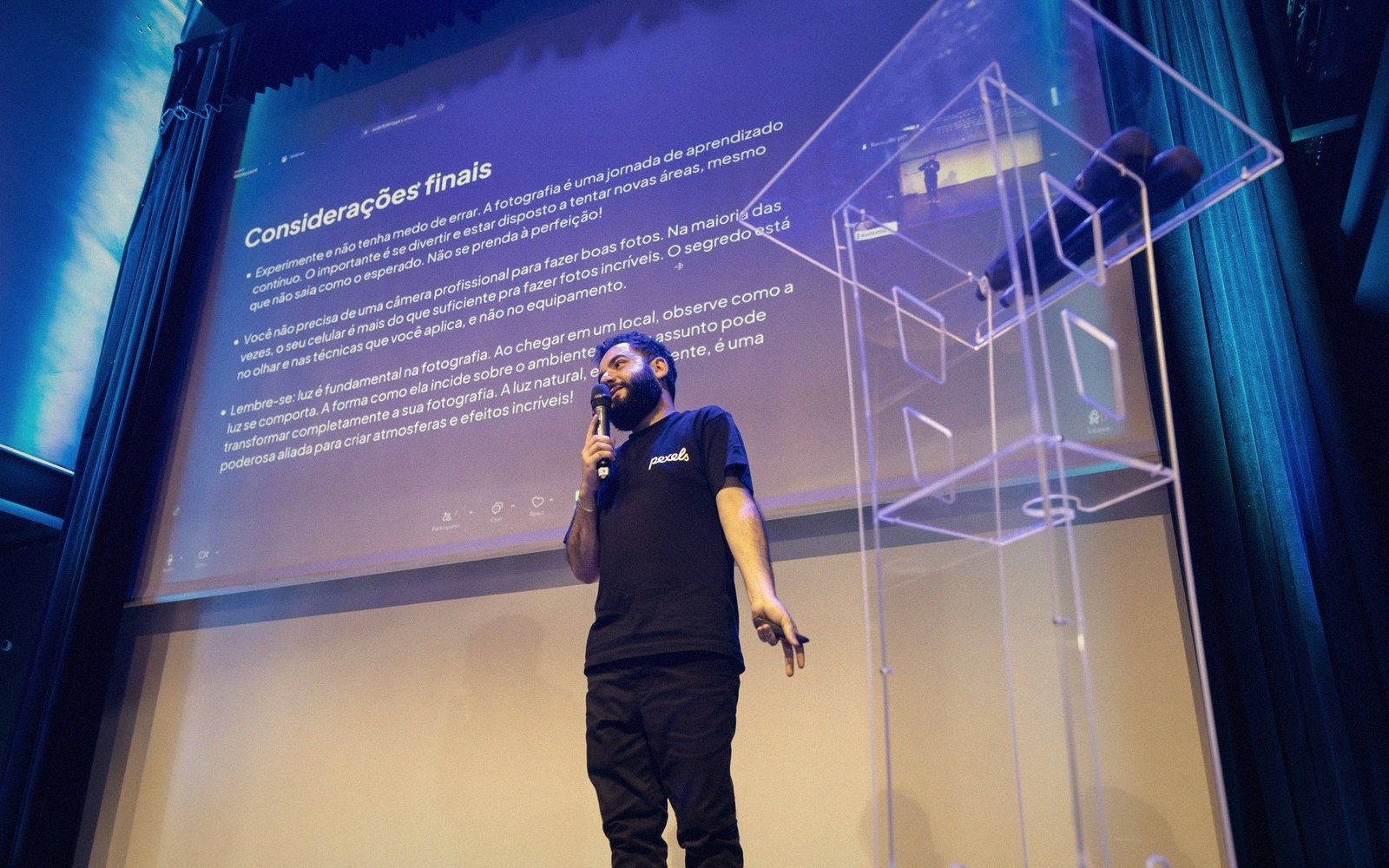
The post-screening conversation can reframe a film, flatly contradict it, or waste twenty minutes of the evening you just had. Knowing which is happening is a skill.
The Case For Staying
A Q&A works when the film leaves a genuine gap — something structural or contextual that watching alone cannot close. A documentary shot inside a closed institution, a formally strange fiction whose logic only becomes legible once someone names the constraint. In those cases the filmmaker's three minutes at the microphone can do real work: not explaining the film, but handing you the missing fact that lets the film explain itself.
The other reliable use is displacement. If a film has genuinely disturbed you, sitting in the dark for another twenty minutes while a moderator finds their footing is not wasted time — it is decompression. You are not there to learn anything. You are there to be the kind of person who stays, which is its own low-key permission to keep feeling whatever you are feeling before the street takes it away.
What the format actually does
filmmaker adds context the film couldn't carry alone; genuinely changes how you read what you saw
explanation collapses ambiguity; the film shrinks to its production circumstances
sitting with the audience while the lights are still low; not information, but time
When the Room Turns Against the Film
The problem is that a Q&A does not only add; it also overwrites. A director who explains their symbolism has, in one sentence, collapsed everything that was open. A filmmaker who turns defensive about a casting decision pulls the camera back to the set and out of the world. You cannot unsee a making-of. Once the process is in the room the film becomes an artefact of that process, and some films — particularly ones that work through ambiguity or emotional indirection — simply cannot survive the translation. The second screening is a different film for this reason; a Q&A is a second screening compressed into real time, with the filmmaker in the room to perform certainty about things that were better left uncertain.
Audience questions make this worse, reliably. The best questions at any Q&A tend to appear in the first five minutes before the room settles into performance — someone genuinely confused, someone who caught something strange in the edit. After that, the questions migrate toward compliment-with-a-question-mark-at-the-end, or toward the audience member's own project. A filmmaker answering "what was your intention with the final image?" is not in conversation with the film anymore; they are in conversation with their ego, and you are watching that conversation from the third row.
The Principled Exit
Leaving before the Q&A is not bad manners — it is a reading of the room. If the film worked on you, the conversation is a risk. If it did not, the conversation is almost never a remedy; filmmakers rarely say anything that rescues a film you found cold. The sunk-cost instinct is strong here — you have already given two hours, what is twenty more minutes? — but that instinct is exactly wrong. The film is complete. Whatever it is, it has happened. A Q&A cannot extend it; it can only annotate it, and annotations close things down.
The practical test is simple. Ask, in the three seconds before the lights change: do I want to know more about how this was made, or do I want to keep feeling what I am feeling? If the answer is the second one, stand up. The foyer is there. The film is still running in your head and the conversation will still be running in the room, and you do not have to choose both.